
Waterfalls in the Philippines
199 waterfalls from the majestic Aliwagwag Falls in Davao to hidden jungle cascades in Palawan
Waterfalls in the Philippines
The Philippines is blessed with thousands of waterfalls hidden across its rainforest-covered mountains and river valleys. From the towering multi-tiered falls of Aliwagwag in Davao — one of the tallest in Southeast Asia — to the turquoise swimming holes of Kawasan Falls in Cebu and the jungle cascades of Palawan, our directory lists 199 waterfalls worth visiting.
The best time to visit most waterfalls is during or just after the rainy season from June to October when water flow is at its strongest. However some falls are best visited in the dry season when access trails are less slippery and water clarity is better for swimming. Always check local conditions before visiting remote falls.
Most waterfalls require a short hike ranging from 15 minutes to several hours. Entrance fees are typically ₱50–₱200 per person. Local guides are available at most trailheads and are recommended for unfamiliar areas. Always swim with caution — currents can be strong even in apparently calm pools.
Review of some of the Best Waterfalls !
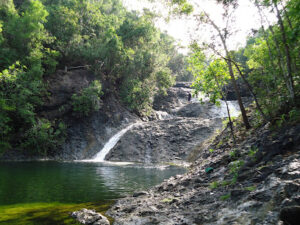
⭐ 4.30 (193 reviews)
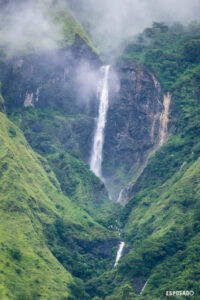
⭐ 5.00 (4 reviews)
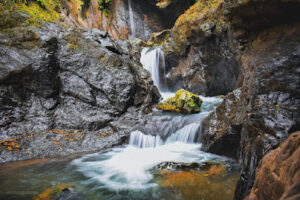
⭐ 4.80 (6 reviews)
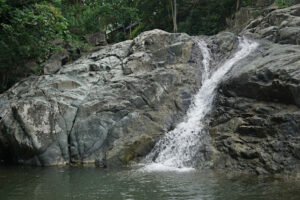
⭐ 4.40 (83 reviews)

⭐ 5.00 (1 reviews)

⭐ 4.70 (57 reviews)
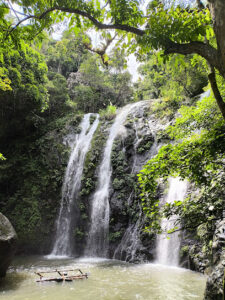
⭐ 4.60 (26 reviews)
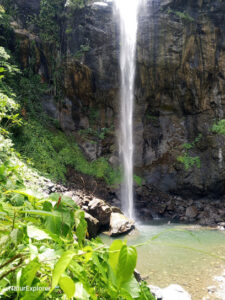
⭐ 4.90 (12 reviews)
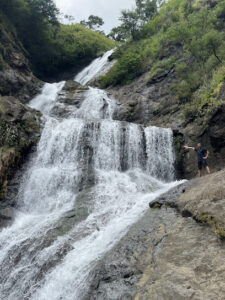
⭐ 4.90 (7 reviews)
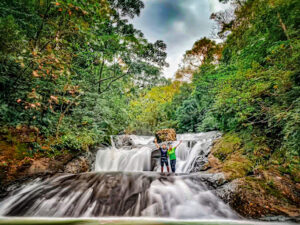
⭐ 4.20 (15 reviews)
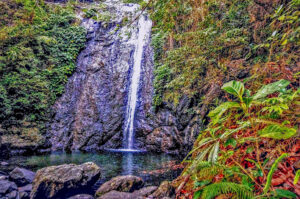
⭐ 4.50 (63 reviews)
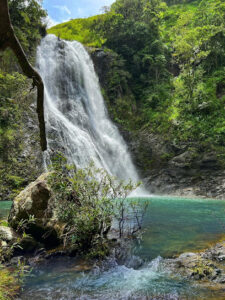
⭐ 4.50 (4 reviews)

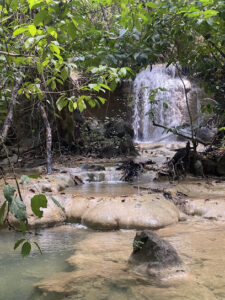
⭐ 4.00 (5 reviews)
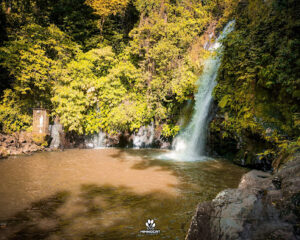
⭐ 4.50 (63 reviews)

Chasing Waterfalls in the Philippines
The Philippines is one of the great waterfall destinations in the world — and most travellers don’t even know it yet. Hidden behind jungle trails, tucked into river gorges and tumbling down volcanic mountainsides, the waterfalls in the Philippines range from gentle swimming holes perfect for families to thundering multi-tiered giants that will stop you in your tracks.
Luzon — From the Mountains to the Sea
North Luzon’s Cordillera highlands are waterfall country. The mountains of Benguet, Mountain Province and Kalinga are laced with rivers and cascades, many of them accessible only on foot through rice terrace landscapes. Batad in Ifugao has a spectacular amphitheatre waterfall dropping into a deep pool at the base of the famous rice terraces — one of the most photogenic spots in the entire Philippines.
Further south, Cavinti Falls in Laguna and Pagsanjan Falls — one of the most famous waterfalls in the Philippines — are popular day trips from Manila. Pagsanjan is reached by a thrilling bancal ride through river gorges, making the journey as memorable as the destination itself.
The Visayas — Cebu’s Crown Jewel
Kawasan Falls in Badian, Cebu is arguably the most beautiful waterfall in the Philippines. Its impossibly turquoise water, fed by cold underground springs, cascades through a series of tiers into natural swimming pools surrounded by lush tropical vegetation. The falls are the finale of the famous Kawasan canyoneering route — a full day adventure combining cliff jumps, river swimming and jungle hiking that is one of the best outdoor experiences in the Visayas.
Beyond Kawasan, Tumalog Falls near Oslob is a delicate curtain waterfall that feels like something from a fantasy film, while Mantayupan Falls in Barili is one of Cebu’s tallest and most powerful cascades.
Mindanao — Home of the Giants
Mindanao is home to some of the most spectacular waterfalls in the Philippines. Aliwagwag Falls in Davao Oriental is one of the tallest waterfalls in Southeast Asia — a breathtaking series of over 80 tiers cascading down a densely forested mountainside. Tinuy-an Falls in Bislig, Surigao del Sur is often called the Niagara of the Philippines — a wide, powerful curtain of white water that is genuinely awe-inspiring in full flow. Maria Cristina Falls in Lanao del Norte is one of the country’s most powerful falls and a major source of hydroelectric power.
Palawan — Jungle Cascades
Palawan’s interior is dotted with jungle waterfalls fed by the island’s abundant rainfall. Many are accessible only by a combination of boat and jungle trek, making them feel genuinely remote and rewarding. The waterfalls of El Nido and the interior of Palawan remain largely undiscovered by mainstream tourism — a paradise for adventurous waterfall chasers.
Waterfall Swimming Safety
Swimming at waterfalls in the Philippines is one of life’s great pleasures but always approach with caution. Water levels and currents can change rapidly, particularly after heavy rain. Never jump into pools without checking the depth first. Follow local advice and posted warnings, and always supervise children closely. Many falls have designated swimming areas — stay within them.
Getting There
Most waterfalls in the Philippines require a short hike ranging from 15 minutes to several hours. Entrance fees are typically ₱50–₱200 per person. Local guides are available at most trailheads and are strongly recommended for remote or unfamiliar locations.
For more on responsible nature tourism visit the Department of Tourism Philippines.
Also explore our Hiking Trails, Camping and Beaches pages for more outdoor adventures in the Philippines.
Browse all 199 waterfall listings above and start chasing waterfalls in the Philippines. 💧
What to Expect Visiting Philippine Waterfalls
Philippine waterfalls range from easy roadside stops to remote multi-day treks. The most accessible — like Pagsanjan Falls in Laguna and Maria Cristina Falls in Iligan — have well-developed infrastructure with entrance booths, parking, and refreshment stands. The experience at these popular sites often involves a boat ride or short walk through a landscaped trail. More remote falls in the Cordillera, the Bicol highlands, and Mindanao require a local guide, river crossings, and several hours of trekking — but reward the effort with near-total solitude.
Swimming at the base is possible at most Philippine waterfalls, but conditions vary. Mist-fed plunge pools are typically cool and refreshing even in the dry season. After heavy rain, however, currents can become dangerous and water levels rise sharply — always ask locals about conditions before entering the water. Waterfalls fed by rivers can turn brown with sediment during and after typhoons. The dry season (November to May) generally offers the clearest water and safest swimming, though some falls slow to a trickle during extended dry spells.
Frequently Asked Questions About Philippine Waterfalls
Which is the most famous waterfall in the Philippines?
Pagsanjan Falls (also called Cavinti Falls) in Laguna is probably the most internationally recognised, partly due to its appearance in Apocalypse Now. However, many travellers rate Maria Cristina Falls in Iligan City as the most impressive — a 320-foot drop split into two curtains that supplies hydroelectric power to much of Mindanao. Tinago Falls, also in Iligan, is one of the most photographed for its dramatic setting inside a canyon. For sheer volume, Aliwagwag Falls in Davao Oriental is among the largest in Southeast Asia by total cascade length.
Do you need a guide to visit waterfalls in the Philippines?
For popular, well-signposted waterfalls near towns, no guide is needed. For remote falls reached by jungle trails, a local guide is strongly recommended and sometimes required by the barangay (local government unit). Guides are typically hired at the barangay hall or trailhead at a rate of ₱300 to ₱800 per day. Their knowledge of safe river crossings and changing weather conditions is genuinely valuable in unfamiliar terrain.
What is the best time to visit waterfalls in the Philippines?
Late dry season (March to May) and the start of the wet season (June to July) offer the best balance of water flow and safe conditions. The dry season alone can leave some falls disappointingly thin. The middle of typhoon season (August to October) brings the highest water volume but also the highest risk — flash flooding can occur hours after heavy rain upstream even on a clear day at the falls. The sweet spot for most visitors is April to June, when rains are beginning but typhoon risk is still low.