
Beaches in the Philippines
200+ beaches across 7,641 islands — from Palawan to Boracay and beyond
The Philippines is home to some of the most stunning beaches in the world, spread across 7,641 islands. From the powdery white sands of El Nido and Coron in Palawan to the lively shores of Boracay and the secluded coves of Batangas, there’s a beach for every type of traveller.
The best time to visit most Philippine beaches is during the dry season, from November to May. During this period you can expect calm seas, clear skies and excellent visibility for snorkelling and diving. The eastern coast, including Siargao and Surigao, is best visited from August to November when the surf swells are at their peak.
Getting to most beaches requires a combination of flights and boat transfers. Budget airlines connect Manila to Palawan, Cebu, Siargao and Boracay daily. Always bring reef-safe sunscreen, a dry bag and cash as many island destinations have limited ATM access.
Check our Blog post for more information on beaches
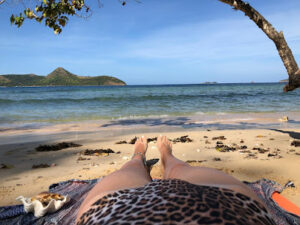
⭐ 5.00 (2 reviews)
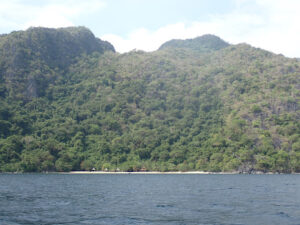
⭐ 5.00 (3 reviews)
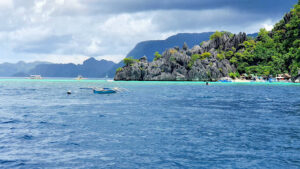
⭐ 4.40 (35 reviews)
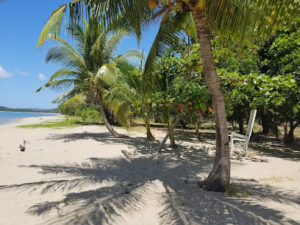
⭐ 4.10 (99 reviews)
⭐ 4.50 (15 reviews)
⭐ 4.40 (34 reviews)
⭐ 4.20 (25 reviews)
⭐ 4.00 (20 reviews)
⭐ 4.20 (13 reviews)
⭐ 3.30 (113 reviews)

bg pic
⭐ 4.60 (8 reviews)
⭐ 3.50 (17 reviews)
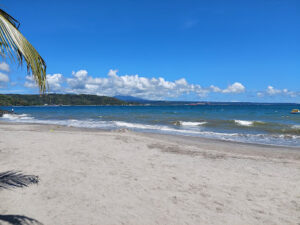
⭐ 4.00 (159 reviews)
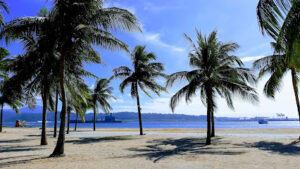
⭐ 4.10 (91 reviews)

Exploring the Beaches of the Philippines
The Philippines is blessed with an extraordinary variety of beaches in the Philippines, each with its own character and charm. The country’s coastline offers everything from powdery white sand and crystal-clear lagoons to wild, windswept shores and hidden coves accessible only by bangka.
North Luzon
The northern coastline of Luzon is often overlooked but offers some truly spectacular beaches. Pagudpud in Ilocos Norte is known for its striking blue waters and white sand, earning it the nickname the “Boracay of the North.” La Union on the South China Sea coast is a favourite weekend escape from Manila, popular for its relaxed vibe.
Metro Manila Getaways
Batangas is the closest beach destination for Manila residents. Laiya, Matabungkay and the islands of Tingloy offer calm waters and are easily reachable for a weekend trip without the need for a flight.
Palawan
Palawan consistently ranks among the best island destinations in the world. From the dramatic limestone scenery of El Nido and the shipwreck reefs of Coron to the quieter shores of Port Barton and San Vicente — home to one of the longest white sand beaches in the Philippines — Palawan has something for every type of beach lover.
The Visayas
The Visayas region sits at the heart of the Philippine archipelago and is packed with stunning beaches. Boracay’s White Beach remains one of the most famous beaches in the Philippines, while quieter alternatives like Bantayan Island, Malapascua and Sugar Beach offer a more laid-back experience.
Mindanao
Mindanao’s beaches are among the least explored in the Philippines, making them ideal for travellers looking to get off the beaten track. Dahican Beach in Davao Oriental is a long wild stretch of coastline, while Samal Island offers easy access to coral-fringed shores near Davao City.
When planning a beach holiday in the Philippines, consider the region carefully as weather patterns vary significantly across the archipelago. Domestic flights are affordable and frequent, with budget airlines connecting Manila to most major beach destinations including Palawan, Cebu, Boracay and Siargao. Ferry services link the islands and are a scenic and affordable way to travel between destinations.
Visayas
The Visayas region sits at the heart of the Philippine archipelago and contains some of the country’s most celebrated beaches. Boracay in Aklan Province needs little introduction — its White Beach is consistently ranked among the finest in Asia, and its powdery sand and clear turquoise water live up to every expectation. The island underwent a six-month government rehabilitation in 2018 to address overcrowding and environmental damage, and it emerged cleaner and better regulated. Stations 1, 2, and 3 each have a distinct atmosphere, from the quieter northern end to the livelier bars and beach clubs of Station 2.
Bohol offers a different kind of beach experience. Alona Beach on Panglao Island is a compact strip of white sand popular with divers — Balicasag Island nearby is considered one of the best dive sites in the Philippines, with walls dropping steeply into deep water frequented by sea turtles and large pelagic fish. Bohol’s interior offers the famous Chocolate Hills and tarsier sanctuaries, making it one of the few destinations where beach, diving, and wildlife can all be combined in a single trip.
Cebu offers multiple beach zones spread across a long, narrow island. Moalboal on the west coast is famous for the sardine run — a year-round phenomenon where millions of sardines form a massive baitball just metres from shore, creating one of the most accessible underwater spectacles in the world. The southern tip of Cebu leads to Oslob, where whale shark interaction sites (snorkelling only, no diving) attract visitors from across the country. Further afield, Malapascua Island in northern Cebu is the only reliable place in the world to see thresher sharks at cleaning stations at dawn.
The Eastern Visayas — Samar and Leyte — are less developed but reward those who make the effort. Calicoan Island in Samar has world-class surf and dramatic limestone formations. Kalanggaman Island in Leyte has one of the most photographed sandbars in the Philippines, a long thin strip of white sand surrounded by clear shallow water, reachable by a 45-minute boat ride from Palompon.
Planning Your Trip to the Beaches of the Philippines
The Philippines has something for every budget — from basic beach huts and camping on remote islands to luxury resorts on Palawan and Boracay. Many beaches are free to access, though some island destinations charge a small environmental fee to help protect the local ecosystem.
For more information on visiting the Philippines visit the Philippine Tourism Authority.
“If you enjoy the outdoors, also explore our Diving, Surfing and Hiking pages.”
Browse all our beach listings above and find your perfect Philippine beach. 🏖️
Frequently Asked Questions About Philippine Beaches
What is the most beautiful beach in the Philippines?
There is no single answer — beauty depends on what you’re looking for. El Nido in Palawan consistently tops travel polls for its dramatic limestone karst scenery and turquoise lagoons. Boracay’s White Beach is the most famous and best-serviced. For remote beauty, the Bacuit Archipelago near Coron and the Caramoan Peninsula in Camarines Sur rival anything in Southeast Asia. The Philippines has over 36,000 kilometres of coastline, which means undiscovered beaches still exist for those willing to travel off the standard routes.
When is the best time to visit Philippine beaches?
The Philippines has two main seasons: dry (amihan, November to May) and wet (habagat, June to October). The dry season is best for western-facing beaches like Palawan, Boracay, and Batangas — calm seas, clear skies, and excellent visibility for diving. Pacific-facing beaches in Siargao, Samar, and Catanduanes are at their best during the wet season, which brings the swells that produce the country’s best surf. Typhoon season (July to October) can affect travel plans, particularly in northern Luzon — always check forecasts before booking.
Do Philippine beaches charge entrance fees?
Most public beaches are free to access, though many municipalities charge a small environmental fee at the entry point — typically ₱20 to ₱100 per person. Marine protected areas such as Tubbataha Reef and Apo Island charge higher fees that fund conservation. National park fees apply at El Nido (₱800–₱1,500 depending on tour type) and Coron. Some beaches operated by resorts are technically private but allow day visitors for a fee or minimum spend.
Which beach is best for families with children?
Beaches with calm, shallow water and gentle gradients are safest for children. Bantayan Island in Cebu, Dauin in Dumaguete, and the sheltered coves of Batangas are popular family destinations. Boracay’s White Beach has calm water on the western side during the dry season. Avoid beaches with strong currents or heavy surf if travelling with young children — ask locals before swimming in unfamiliar areas.
Related Travel Guides
- The Best Beaches in the Philippines
- El Nido Travel Guide — Island Hopping and Best Time to Visit
- Palawan Travel Guide — El Nido, Coron and Puerto Princesa
- Palawan Island Hopping Guide
- Boracay Travel Guide — White Beach and What to Do
- Siargao Island Travel Guide
- Bohol Travel Guide — Chocolate Hills, Tarsiers and Beaches
- Cebu Travel Guide — Whale Sharks and Diving