
Surfing in the Philippines
199 surf spots from the legendary Cloud 9 in Siargao to the beach breaks of La Union and Baler
Surfing in the Philippines
The Philippines is one of Asia’s premier surfing destinations, with consistent waves on both the Pacific and South China Sea coasts providing year-round surf opportunities across the archipelago. From world-class reef breaks to mellow beach breaks perfect for beginners, there is a surf spot for every level.
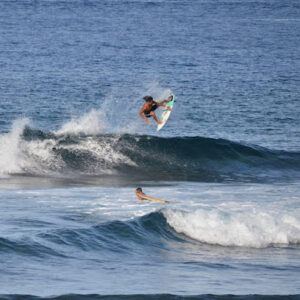
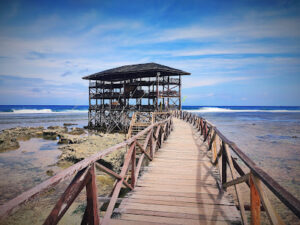
Cloud 9 in Siargao is the Philippines’ most famous wave — a hollow right-hand reef break that hosts international competitions and attracts surfers from around the world. The best time to surf Siargao is August to November. La Union on the northwest coast offers consistent beach break year-round and has a lively surf community with numerous schools. Baler in Aurora is the birthplace of Philippine surfing and is surfable from July to February.
Surf lessons are available at all major spots from around ₱500 per hour including board rental. Always check local conditions before paddling out and respect local surfers in the lineup.
Read about some hidden surf spots !

⭐ 3.60 (54 reviews)
⭐ 5.00 (20 reviews)
⭐ 5.00 (32 reviews)
⭐ 4.70 (261 reviews)
⭐ 5.00 (97 reviews)
⭐ 5.00 (36 reviews)
⭐ 4.10 (198 reviews)
⭐ 4.90 (56 reviews)
⭐ 5.00 (12 reviews)
⭐ 4.80 (22 reviews)
⭐ 5.00 (10 reviews)
⭐ 5.00 (6 reviews)
⭐ 3.60 (9 reviews)

⭐ 5.00 (25 reviews)

The Philippines — Asia’s Surf Secret
Surfers who discover surfing in the Philippines tend to keep coming back. The combination of warm water, uncrowded breaks outside of peak season, incredibly warm locals and affordable living makes the Philippines one of the most enjoyable surf destinations in the world — not just in Asia. Whether you are chasing barrels or learning to stand up for the first time, the Philippines delivers.
Siargao — The Island of Waves
No conversation about surfing in the Philippines begins anywhere other than Siargao. Cloud 9 is the jewel in the crown — a thick, powerful right-hand reef break that barrels over a shallow coral shelf and has hosted international competitions for decades. But Siargao is far more than just Cloud 9. Jacking, Tuason Point, Stimpy’s and Cemetery are just some of the other breaks scattered around the island, offering options for surfers of every level. The island itself has a laid-back, end-of-the-road vibe that makes it one of the most special places in the Philippines full stop.
The best time to surf Siargao is August to November when the Pacific swells are at their most consistent and powerful. Outside of this window the island is quieter, cheaper and still worth visiting.
La Union — The Weekend Warrior’s Wave
San Juan in La Union is the heartbeat of surfing in the Philippines for Manila residents. Just five to six hours north of the capital by bus, it offers consistent beach break year-round, a thriving surf school scene and a cool little town of surf shops, coffee spots and beachfront restaurants that has developed around the wave. It is not the most powerful surf in the country but it is accessible, social and a great place to learn or improve.
Baler — Where Philippine Surfing Was Born
Baler in Aurora Province holds a special place in the history of surfing in the Philippines. The story goes that the crew of Apocalypse Now — filmed partly in the Philippines in the late 1970s — left their surfboards behind when they departed, and the locals taught themselves to surf. Whether entirely true or not, Baler has been producing surfers ever since and the wave at Sabang Beach is a fun, forgiving break surfable from July to February.
Beyond the Big Three
Surfing in the Philippines extends well beyond Siargao, La Union and Baler. Dahican Beach in Mati, Davao Oriental is a long wild stretch of coastline popular with skimboarders and surfers alike. Catanduanes in Bicol — nicknamed the Happy Island — offers powerful and relatively uncrowded waves for experienced surfers. Zambales on the west coast has several beach break options within easy reach of Manila.
Learning to Surf
The Philippines is one of the best places in the world to learn to surf. Warm water, patient local instructors and affordable lessons make the experience enjoyable from day one. Surf lessons are available at all major spots from around ₱500 per hour including board rental. Most surf schools also offer multi-day packages for those who want to fast-track their progress.
Surf and Stay
The surf culture in the Philippines has grown a thriving ecosystem of surf camps, hostels and guesthouses around the major breaks. Staying in a surf camp is the best way to immerse yourself fully — early morning sessions, afternoon rest, evening community. It is a lifestyle as much as a sport.
For surf forecasts and conditions visit Surf Forecast.
Also explore our Beaches, Camping and Diving pages for more ways to experience the Philippines.
Browse all 199 surf spot listings above and find your perfect wave in the Philippines. 🏄
Philippines Surf Seasons and Conditions
The Philippines has surf somewhere year-round, but the season varies dramatically by coast. Siargao — the country’s surf capital — receives its best swells from August to November, when northwest Pacific typhoons push consistent groundswells across the Pacific. Cloud 9, the reef break that put the Philippines on the international surf map, produces hollow, fast barrels best suited to intermediate and advanced surfers. The wave breaks over a shallow reef shelf and demands respect, particularly at high tide when the lip pitches more aggressively.
The west coast of Luzon — La Union, Zambales, and the beaches of Pangasinan — picks up the northeast monsoon (amihan) from October to March, producing smaller but consistent beach break waves ideal for learners. La Union in particular has developed a thriving surf culture around the consistent beach break at San Juan, with dozens of surf schools, board rentals, and a relaxed coastal town atmosphere that draws weekenders from Manila year-round.
The Pacific coast of Samar and Eastern Leyte receives typhoon-generated swells from the east and produces powerful, often heavy waves best suited to experienced surfers. Catanduanes in Bicol, particularly the reef break at Puraran, is considered one of Southeast Asia’s best and most challenging waves — a fast, hollow right-hander that breaks perfectly when the Pacific is active. The island has limited tourist infrastructure which keeps crowds low even at its best.
Frequently Asked Questions About Surfing in the Philippines
Is Siargao good for beginner surfers?
Siargao has options for all levels, but Cloud 9 is not a beginner wave. Beginners should head to the sand-bottom breaks at Jacking Horse or the mellow waves at Stimpy’s and Tuason Point, where the consequences of wiping out are less severe. Numerous surf schools operate around General Luna and can place students on appropriate waves. With a week of lessons on the right waves, most beginners will be surfing independently by the end of their trip. The dry season months of March to May bring smaller, more manageable swells — a good time for first-timers.
How much do surf lessons cost in the Philippines?
Beginner surf lessons cost ₱500 to ₱1,000 for a 1–2 hour session including board and rash guard rental. Most surf schools offer package deals — five sessions for the price of four, or week-long packages bundling accommodation and daily lessons. Board rental alone runs ₱300 to ₱600 per hour depending on board type and location. Siargao tends to be slightly more expensive than La Union due to its remote location and higher demand during peak season.
What other surf spots exist beyond Siargao?
The Philippines has over a dozen established surf destinations. La Union is the most accessible from Manila and has consistent beach break year-round. Baler in Aurora Province produces quality beach break and has been a surf destination since the 1970s when Francis Ford Coppola’s crew surfed there during the filming of Apocalypse Now. Pagudpud in Ilocos Norte breaks well in amihan season. Dahican Beach in Mati, Davao Oriental gets south and east swells and has a growing local surf culture. Bagasbas in Camarines Norte is a popular east coast alternative with reliable year-round surf.