
Historical Sites in the Philippines
200 historical sites from the walled city of Intramuros to ancient rice terraces and Spanish-era churches
Historical sites in the Philippines
The Philippines has a rich and layered history spanning thousands of years of indigenous culture, over 300 years of Spanish colonial rule, American administration and the struggle for independence. This history is preserved across 200 historical sites listed in our directory — from ancient burial sites to colonial churches, war memorials and national shrines.
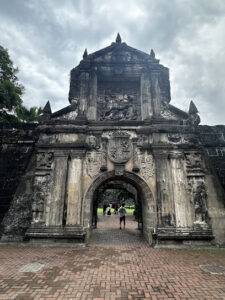
Intramuros in Manila — the walled city built by the Spanish in 1571 — is the country’s most visited historical site and home to Fort Santiago, San Agustin Church and numerous museums. The Baroque churches of the Philippines, including those in Paoay, Santa Maria, Miag-ao and Manila, are UNESCO World Heritage Sites. The Bataan Death March memorials and Corregidor Island offer sobering insights into the Second World War in the Pacific.
Many historical sites are managed by the National Historical Commission of the Philippines and offer free or low-cost entry. Guided tours are available at major sites and are highly recommended for context and depth.
Read some fascinating Historical facts about the Philippines !
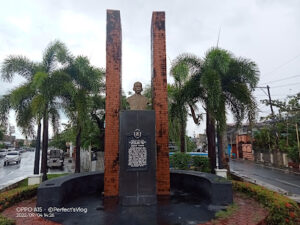
⭐ 4.20 (28 reviews)
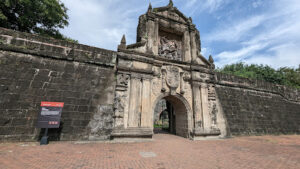
⭐ 4.70 (3640 reviews)
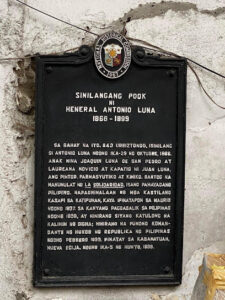
⭐ 3.70 (10 reviews)
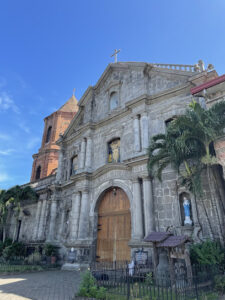
⭐ 4.80 (8 reviews)
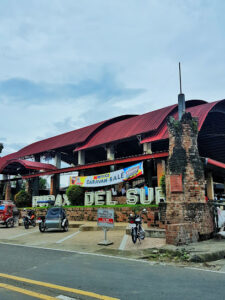
⭐ 5.00 (1 reviews)
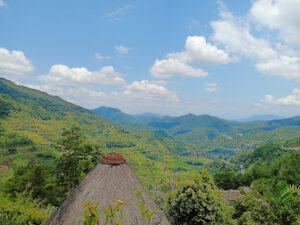
⭐ 4.40 (77 reviews)
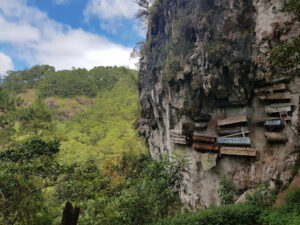
⭐ 4.50 (454 reviews)
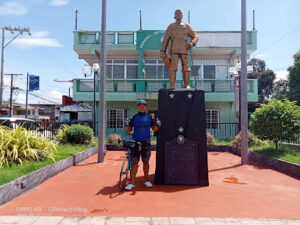
⭐ 3.00 (2 reviews)
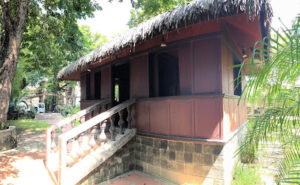
⭐ 3.90 (25 reviews)
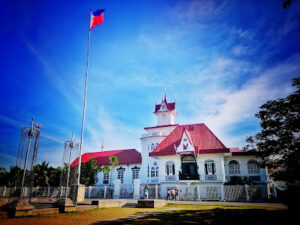
⭐ 4.60 (2894 reviews)
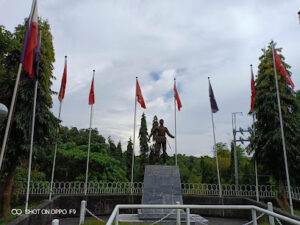
⭐ 4.60 (59 reviews)
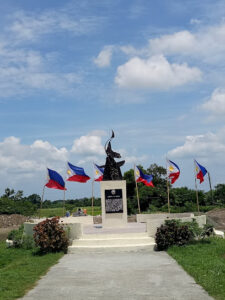
⭐ 4.30 (235 reviews)
⭐ 4.40 (25 reviews)
⭐ 4.30 (6 reviews)
⭐ 4.70 (3 reviews)

The Philippines Has a Story Worth Telling
Few countries in Asia carry as much history in their streets, churches and coastlines as the Philippines. Walk through the gates of Intramuros in Manila and you are stepping into a city within a city — a place where Spanish conquistadors once ruled, where national heroes were imprisoned and where the echoes of revolution still feel close. This is what makes exploring historical sites in the Philippines so compelling. It is not just sightseeing — it is time travel.
Where Empires Left Their Mark
The Spanish arrived in 1565 and stayed for 333 years. They built churches that have outlasted earthquakes and wars, walled cities that still stand, and left a cultural imprint so deep that the Philippines remains the only predominantly Christian nation in Asia. The four UNESCO Baroque Churches — in Manila, Paoay, Santa Maria and Miag-ao — are not museum pieces. They are living, breathing places of worship that have stood for centuries and continue to fill with worshippers every Sunday.
Vigan in Ilocos Sur is perhaps the most extraordinary legacy of Spanish rule. Its cobblestone streets, ancestral mansions and horse-drawn carriages make it the best preserved colonial town in Asia — a UNESCO World Heritage City that feels genuinely unchanged by time.
Heroes and Revolution
The Filipino struggle for independence is one of the great stories of the 19th century. Jose Rizal, the national hero, wrote two novels that ignited a revolution before being executed by the Spanish in 1896 at the age of 35. His birthplace in Calamba, Laguna and the fort in Intramuros where he spent his final days are among the most visited historical sites in the Philippines — and among the most moving.
Kawit in Cavite is where Emilio Aguinaldo declared Philippine independence on June 12 1898 — a date still celebrated as Independence Day. The Aguinaldo Shrine preserves that moment of triumph in extraordinary detail.
The Weight of World War Two
No history of the Philippines is complete without acknowledging the devastation of the Second World War. The Battle of Bataan, the Death March, the liberation of Manila — these events shaped the modern nation profoundly. Corregidor Island in Manila Bay, accessible by ferry, is one of the most powerful war memorials in Asia. The tunnels, gun batteries and ruins speak louder than any textbook.
Beyond Manila
The historical sites in the Philippines stretch far beyond the capital. Cebu City claims the oldest Christian relic in the country — the Santo Niño statue brought by Magellan in 1521. The Grand Mosque in Cotabato City speaks to the rich Islamic heritage of Mindanao, a history that predates Spanish arrival by over a century. And scattered across the archipelago, indigenous communities preserve traditions, crafts and ways of life that have survived every empire that tried to change them.
Visiting Historical Sites
Most major historical sites are managed by the National Historical Commission of the Philippines with free or low-cost entry. Always hire a guide at larger sites — the stories behind the stones are what make them worth visiting. Check opening hours in advance as provincial sites often have limited hours.
For more information visit the National Historical Commission of the Philippines.
Also explore our Beaches, Hiking Trails and Diving pages for more ways to experience the Philippines.
Browse all 200 historical site listings above and start exploring the story of the Philippines. 🏛️
UNESCO World Heritage Sites in the Philippines
The Philippines has several UNESCO World Heritage Sites that represent the pinnacle of the country’s cultural and historical significance. The Historic City of Vigan in Ilocos Sur is the best-preserved example of a planned Spanish colonial town in Asia — its cobblestone streets, kalesa horse-drawn carriages, and ancestral houses have remained largely intact since the 16th century. Walking Calle Crisologo in the early morning, before the tourist traffic begins, offers a genuinely transporting experience.
The Baroque Churches of the Philippines — San Agustin Church in Manila’s Intramuros, Santa Maria Church in Ilocos Sur, Paoay Church in Ilocos Norte, and Miagao Church in Iloilo — represent a distinctive form of Baroque architecture that blends European ecclesiastical design with indigenous Philippine decorative motifs. Paoay Church’s massive earthquake-resistant buttresses and its volcano-stone facade are particularly striking. All four remain active parish churches, meaning visitors should dress modestly and respect services in progress.
The Rice Terraces of the Philippine Cordilleras — the Banaue Rice Terraces and their surrounding clusters in Ifugao Province — have been carved into the mountain slopes over 2,000 years by the Ifugao people without machinery. The terraces form a continuous living landscape still maintained using traditional irrigation systems fed by mountain springs. The UNESCO inscription specifically recognises the terraces as a “living cultural landscape” — the engineering is inseparable from the community that maintains it.
Frequently Asked Questions About Philippine Historical Sites
What is the oldest historical site in the Philippines?
Human habitation of the Philippines dates back at least 67,000 years — the Tabon Caves in Palawan have yielded the oldest human remains found in the archipelago. For built structures, the Banaue Rice Terraces (approximately 2,000 years old) are among the oldest continuously maintained human constructions in the country. Spanish colonial-era structures date from 1565 onward — Fort Santiago in Intramuros was first constructed in 1571, making it one of the oldest surviving fortifications in Southeast Asia.
Do you need to pay entrance fees at Philippine historical sites?
Most significant historical sites charge modest entrance fees. Intramuros in Manila charges ₱75 for the walls walk; Fort Santiago within Intramuros costs ₱75. The Rizal Shrine in Calamba is free. Vigan’s Calle Crisologo and the street itself are free to walk, but the Syquia Mansion and Heritage Museum charge separate admission. Corregidor Island requires a tour package including the ferry from Manila, typically ₱1,800 to ₱2,500. The Banaue Rice Terraces viewpoints are free but porters and guides charge per engagement.
Is it safe to visit historical sites throughout the Philippines?
The major historical destinations — Manila, Vigan, Ilocos, Cebu, Bohol, and Davao — are safe for independent travellers with standard precautions. Some areas of Mindanao remain under travel advisories from certain governments; check your own government’s advice before visiting remote Mindanao sites. The historical sites of Marawi City, damaged during the 2017 siege, are currently not accessible to tourists. Major tourist zones in Metro Manila such as Intramuros are well-patrolled and heavily visited, with security infrastructure in place.