
Diving in the Philippines
200+ dive sites at the heart of the Coral Triangle — the most biodiverse waters on earth
Diving in the Philippines
The Philippines is one of the world’s top diving destinations, sitting at the heart of the Coral Triangle — the most biodiverse marine region on earth. With over 200 dive sites ranging from shallow coral gardens to dramatic drop-offs and historic WWII wrecks, there is something for every level of diver.
The best diving conditions are from November to May when visibility can exceed 30 metres. Coron in Palawan is famous for its Japanese WWII shipwrecks, while Tubbataha Reef — a UNESCO World Heritage Site — offers pristine coral walls teeming with sharks, rays and turtles. Anilao in Batangas is the birthplace of Philippine diving and is just a few hours from Manila.
Most dive sites are accessible from major tourist hubs. Dive centres offer PADI courses for beginners and guided dives for certified divers. Water temperatures average 26–29°C year-round so a 3mm wetsuit is sufficient for most dives.
Diving and travel tips in our blog section
⭐ 4.50 (36 reviews)
⭐ 4.50 (105 reviews)
⭐ 5.00 (35 reviews)
⭐ 5.00 (105 reviews)

⭐ 4.70 (89 reviews)
⭐ 4.70 (31 reviews)
⭐ 4.40 (218 reviews)
⭐ 5.00 (57 reviews)
⭐ 4.80 (75 reviews)
⭐ 4.70 (62 reviews)
⭐ 3.70 (116 reviews)
⭐ 5.00 (19 reviews)
⭐ 4.30 (19 reviews)
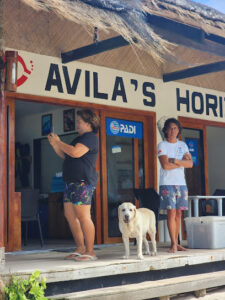
⭐ 3.90 (222 reviews)
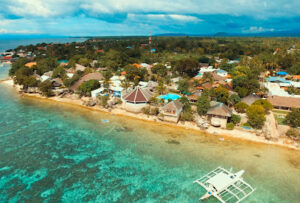
⭐ 4.30 (404 reviews)

Exploring Diving in the Philippines
Diving in the Philippines offers some of the most diverse and rewarding underwater experiences in the world. The country sits at the heart of the Coral Triangle, meaning divers can expect extraordinary marine biodiversity on almost every dive — from tiny pygmy seahorses and colourful nudibranchs to whale sharks, thresher sharks and giant manta rays.
North Luzon Dive Sites
Anilao in Batangas is considered the birthplace of diving in the Philippines and remains one of the best muck diving destinations in Asia. The area is famous for its incredible macro life and is easily accessible from Manila for a weekend diving trip. Subic Bay in Zambales offers excellent wreck diving including the USS New York, a Spanish-American War era vessel.
Palawan
Palawan is home to two of the most iconic diving destinations in the Philippines. Coron is world-famous for its fleet of Japanese WWII shipwrecks sitting in warm, clear waters — a bucket list experience for wreck divers. Tubbataha Reef, accessible by liveaboard from Puerto Princesa, is a UNESCO World Heritage Site and one of the last truly pristine coral reef systems in Southeast Asia, home to hammerhead sharks, manta rays and vast schools of fish.
The Visayas
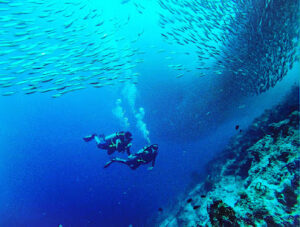
The Visayas region offers some of the most varied diving in the Philippines. Moalboal in Cebu is famous for its sardine run — millions of sardines forming a swirling baitball just metres from shore. Malapascua is the only place in the world where thresher sharks can be seen on a regular basis at a cleaning station. Oslob offers the chance to dive or snorkel with whale sharks, the largest fish in the ocean.
Mindanao
Davao Gulf and Samal Island offer excellent reef diving in a less visited part of the Philippines. General Santos and the waters around Mindanao are home to pristine reefs that see relatively few divers, making them ideal for those looking to get off the beaten track.
Diving for Beginners
Diving in the Philippines is ideal for beginners. Most dive centres offer PADI Open Water courses starting from around ₱15,000 including all equipment and certification. The warm, clear waters and gentle currents at many sites make learning to dive here a comfortable and enjoyable experience.
Responsible Diving
The Philippines is working hard to protect its marine ecosystems. Always follow responsible diving practices — never touch coral, maintain good buoyancy control, and avoid disturbing marine life. Choose dive operators who follow sustainable practices and support local marine conservation efforts.
For more information on marine protected areas visit the Philippine Reef and Rainforest Conservation Foundation.
If you enjoy the outdoors also explore our Beaches, Surfing and Camping pages.
Browse all our dive site listings above and find your perfect diving destination in the Philippines. 🤿
Marine Life You’ll See Diving in the Philippines
The Philippines sits within the Coral Triangle — the most biodiverse marine region on Earth — and the variety of marine life reflects this. A single dive trip can realistically include reef sharks, sea turtles, mantarays, barracuda, giant grouper, lionfish, and thousands of reef fish. More extraordinary encounters are also possible if you know where to go.
Whale sharks gather year-round at Oslob in Cebu and seasonally at Donsol in Sorsogon, though conservation groups recommend the Donsol experience as the more ethical option since the animals are not fed. Thresher sharks with their distinctive long tails visit cleaning stations at Malapascua Island before dawn every day — making it the only place in the world with reliable daily thresher sightings. Hammerhead sharks school near Monad Shoal, also off Malapascua. Manta rays congregate at Manta Bowl near Tubbataha and at several sites in the Visayas.
Tubbataha Reef National Park in the Sulu Sea, a UNESCO World Heritage Site, is considered the crown jewel of Philippine diving. Access is only possible on liveaboard vessels during the March to June window when the sea is calm enough. Expect encounters with large schools of jacks and barracuda, multiple species of shark, hawksbill turtles, and pristine hard coral formations that have been protected since 1988.
How Much Does Diving in the Philippines Cost?
Philippine diving is genuinely good value by international standards. A two-tank boat dive at a popular site like Moalboal or Anilao typically costs ₱1,500 to ₱2,500 (approximately $25–$45 USD) including equipment rental. Dive resort packages bundling accommodation and multiple daily dives range from ₱3,000 to ₱8,000 per night. Liveaboard trips to Tubbataha start at around ₱80,000 to ₱120,000 for an 8-day passage, reflecting the remoteness of the destination. PADI Open Water certification courses cost ₱15,000 to ₱25,000 at most dive centres.
Frequently Asked Questions About Diving in the Philippines
Do I need a diving certification to dive in the Philippines?
For scuba diving, a certification (PADI, SSI, NAUI or equivalent) is required at all reputable dive operators. If you’re uncertified, you can do a Discover Scuba Diving introductory experience (no certification required, dives are shallow and instructor-guided), or enrol in a full Open Water course which takes 3–4 days and qualifies you to dive independently to 18 metres. Snorkelling, of course, requires no certification at all.
What is the best diving destination in the Philippines for beginners?
Anilao in Batangas is the closest major dive destination to Manila and has calm, sheltered conditions ideal for new divers. Moalboal in Cebu is another excellent choice — the famous sardine run is snorkellable from shore, and the house reef provides easy, interesting dives. Puerto Galera in Mindoro has a dense concentration of dive shops, good infrastructure, and a variety of sites from gentle coral gardens to stronger drift dives for those ready to progress.
When is the best time to dive in the Philippines?
Most dive sites in the Philippines are diveable year-round, but visibility and sea conditions peak during the dry season (November to May) on the western coast. Tubbataha is only accessible from March to June. Pacific-facing sites in the east are calmer during the dry season on that coast, which runs roughly June to October. Checking conditions for your specific destination is essential — the Philippines’ many islands create highly localised weather patterns.