
Camping in the Philippines
188 campgrounds from beachside Palawan to mountain sites in the Cordillera highlands
Camping in the Philippines offers an incredible range of experiences — from sleeping under the stars on white sand beaches in Palawan to waking up above the clouds on mountain campsites in the Cordillera highlands of Benguet and Mountain Province.
The dry season from November to May is the best time for camping across most of the country. Mountain camps in Benguet and Sagada can get cold at night, dropping to 10°C, so bring a warm sleeping bag. Beach camps in Palawan and Siargao are warm year-round with cool sea breezes keeping temperatures comfortable overnight.
Most campgrounds in the Philippines are rustic by nature — expect basic or no facilities, so come prepared with your own tent, sleeping gear, food and water. A nearby sari-sari store is often the closest thing to a camp shop! Always practice Leave No Trace principles, pack out all your rubbish and check whether permits are required for protected areas before visiting.
⭐ 4.80 (6 reviews)
⭐ 3.50 (13 reviews)
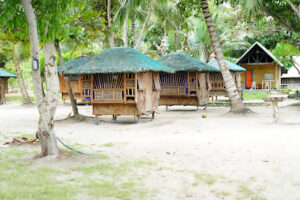
⭐ 4.80 (8 reviews)
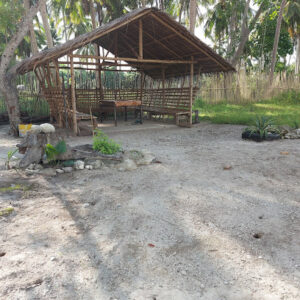
⭐ 5.00 (1 reviews)
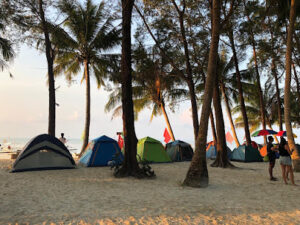
⭐ 4.90 (15 reviews)
⭐ 4.50 (33 reviews)

bg pic
bg pic
bg pic
bg pic

⭐ 5.00 (1 reviews)
⭐ 5.00 (1 reviews)
Exploring Camping in the Philippines
Camping in the Philippines offers something for every type of outdoor enthusiast. Whether you prefer waking up to the sound of waves on a deserted beach or breathing in crisp mountain air above the clouds, the Philippines has a campsite for you.
Mountain Camping
The Cordillera highlands of Benguet, Mountain Province and Ifugao are home to some of the best mountain camping in the Philippines. Mount Pulag, the third highest peak in the country, is one of the most popular camping destinations, famous for its sea of clouds at sunrise. Sagada offers a more laid-back highland camping experience surrounded by pine forests and ancient hanging coffins. Always check permit requirements before visiting protected mountain areas.
Beach Camping
Beach camping in the Philippines is an unforgettable experience. Palawan’s remote islands offer pristine white sand campsites accessible only by boat. Siargao has beachside camping options popular with surfers, while Batangas offers more accessible beach camping options within easy reach of Manila.
Volcano Camping
The Philippines has several iconic volcanoes popular with campers and trekkers. Mount Apo in Davao is the highest peak in the country and a challenging multi-day camping trek. Mount Mayon in Albay is famous for its perfect cone shape, while Mount Kanlaon in Negros offers a rewarding climb for experienced campers.
Camping Near Waterfalls
Some of the most scenic campsites in the Philippines are located near waterfalls. Camping overnight near a waterfall in the jungle is one of the most rewarding outdoor experiences the country has to offer, with the sound of rushing water providing a natural soundtrack through the night.
What to Pack
Camping in the Philippines requires careful preparation. Essential gear includes a good quality tent, a sleeping bag suitable for the temperature of your destination, a portable water filter, insect repellent, a headlamp and enough food for your stay. Many remote campsites have no facilities so self-sufficiency is essential.
Always respect local communities and ecosystems, obtain necessary permits for protected areas, and follow Leave No Trace principles to help preserve the natural beauty of the Philippines for future generations.For more information on protected areas and permit requirements visit the Protected Areas and Wildlife Bureau.
Camping Safety in the Philippines
Safety is an important consideration when camping in the Philippines. Always inform someone of your planned route and expected return date before heading into remote areas. Mobile signal is unreliable in many mountain and jungle locations so a basic GPS device or offline maps downloaded to your phone are essential.
Weather can change quickly in the mountains — afternoon thunderstorms are common even during the dry season. Start early to reach your campsite before dark and always carry a rain poncho or waterproof jacket. During typhoon season from June to November, monitor PAGASA weather forecasts closely and be prepared to postpone your trip if a storm is approaching.
Wildlife encounters are rare but possible in more remote areas. Store food securely and away from your sleeping area. In coastal camping areas be aware of tides — always set up camp well above the high tide line.
Camping with a Guide
For first time campers or those heading into unfamiliar terrain, hiring a local guide is strongly recommended. Local guides have invaluable knowledge of trails, weather patterns and campsite locations that no app or map can replicate. They also provide vital income to local communities, making guided camping trips a responsible and rewarding choice.
If you enjoy the outdoors also explore our Hiking Trails, Beaches and Waterfalls pages.
Browse all our campground listings above and find your perfect camping spot. ⛺

Types of Camping Available in the Philippines
Camping in the Philippines spans a wide spectrum — from fully equipped glamping resorts with private tents, raised wooden platforms, and restaurant service, to bare-ground wilderness camping in national parks with no facilities. The most common experience for first-time campers is organised mountain camping, where groups set up camp near a summit or ridge for the sunrise views, cook over gas stoves, and descend the next morning. Popular mountains like Pulag, Ulap, and Batulao have designated camping areas with basic toilet facilities.
Beach camping is increasingly popular, particularly on sandbars and secluded islands accessible only by boat. Danjugan Island in Negros Occidental operates an eco-camp where visitors stay in tents among mangroves and coral reef. Jomalig Island in Quezon has golden sand dunes and allows camping directly on the beach. The Hundred Islands in Pangasinan has designated camping areas on several of its 123 islands. Permits are required for most island camping and are arranged through the relevant local government unit or national park authority.
Frequently Asked Questions About Camping in the Philippines
What camping gear do you need in the Philippines?
A lightweight tent with good rain protection is essential — afternoon showers are common even in the dry season, and mountain weather can change quickly. A sleeping bag rated to 10–15°C suits most lowland and mid-elevation camping; add a liner for mountain peaks. A gas canister stove and lightweight cookware, a headlamp with extra batteries, a first aid kit, and at least two litres of water per person per day form the core kit. In the Philippines’ heat and humidity, moisture-wicking clothing and a good insect repellent are as important as any technical gear.
Are permits required for camping in the Philippines?
Yes, most official camping areas require permits. For mountain camping in DENR-protected areas, permits are obtained at the trailhead or the DENR office serving that protected area. Fees range from ₱100 to ₱500 per person per night. For beach and island camping on municipal land, permits come from the local barangay or municipal tourism office — fees are typically lower, around ₱50 to ₱200 per night. Private eco-resorts that offer camping handle their own permitting as part of the booking process.
Is camping safe in the Philippines?
Camping in established sites with local guides is generally safe. The main risks are weather-related — flash flooding near rivers, lightning on exposed ridges, and hypothermia on high-altitude peaks during the cool season. Wildlife risks are minimal compared to other tropical countries: the Philippines has no bears or large predatory land animals. Snakes exist but encounters are rare and bites are uncommon. The main practical concern for most campers is theft at crowded sites — keep valuables secured. Camping with a local guide or organised group significantly reduces all of these risks.
What are the best camping destinations in the Philippines?
Mt. Pulag in Benguet is the most celebrated camping destination in Luzon — the sea of clouds above the mossy forest at dawn is one of the most spectacular natural sights in the Philippines. Mt. Ulap in Ampucao, also in Benguet, is a more accessible alternative with similar cloud-forest scenery and a shorter trail. Masungi Georeserve in Rizal Province (advance booking required) has glamping options with limestone karst scenery just an hour from Manila. In the Visayas, Mt. Kanlaon in Negros offers remote high-altitude camping with active volcanic scenery. Batanes Province in the far north has rolling green hills and stone villages for multi-day coastal camping.