
Hiking Trails in the Philippines
199 trails from the summit of Mt Pulag to the rice terraces of Ifugao
Hiking in the Philippines
The Philippines offers some of Southeast Asia’s most rewarding hiking experiences, from the iconic peaks of Mt Pulag and Mt Apo to the terraced rice fields of Ifugao and the limestone karsts of Palawan. With 199 trails listed across the country there is a hike for every fitness level.
The best hiking conditions are during the dry season from November to May. Mt Pulag in Benguet — the third highest peak in the Philippines at 2,922 metres — is famous for its sea of clouds at sunrise. Mt Apo in Davao, the highest peak at 2,954 metres, requires a 2-3 day expedition. For easier day hikes, the Marlboro Hills in Sagada and Mt Ulap in Benguet offer stunning views with moderate difficulty.
Always register at the local tourism office before hiking, bring sufficient water and food, and hire a local guide for unfamiliar trails. Mobile signal is unreliable in mountain areas so download offline maps before setting out.
Before you go Hiking read our Blog Tips !
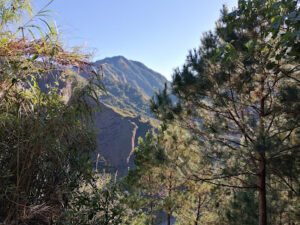
⭐ 4.90 (41 reviews)
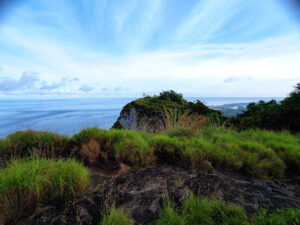
⭐ 4.20 (12 reviews)
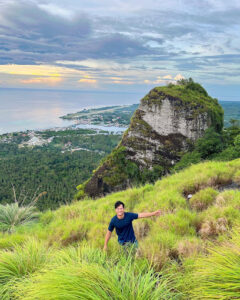
⭐ 4.70 (67 reviews)
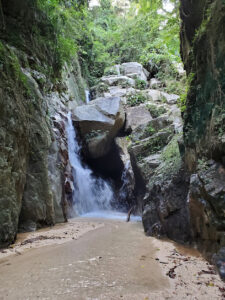
⭐ 4.00 (2 reviews)
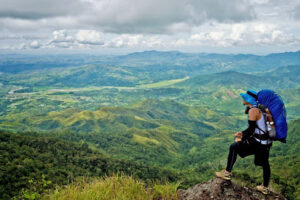
⭐ 4.40 (8 reviews)
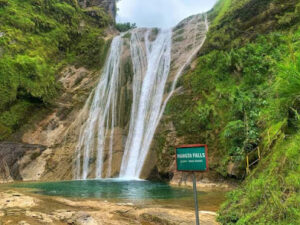
⭐ 5.00 (17 reviews)
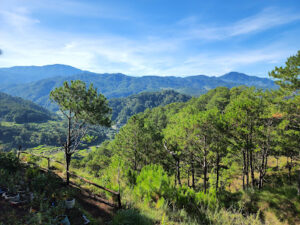
⭐ 4.80 (23 reviews)
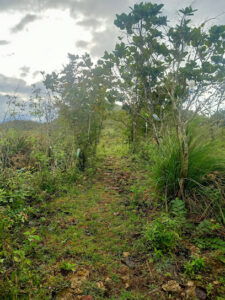
⭐ 5.00 (2 reviews)
⭐ 4.60 (336 reviews)
⭐ 4.10 (15 reviews)
⭐ 3.90 (18 reviews)
⭐ 4.30 (4 reviews)
⭐ 4.60 (16 reviews)
⭐ 4.50 (11 reviews)
⭐ 4.80 (57 reviews)
Exploring Hiking in the Philippines
Hiking in the Philippines offers an extraordinary variety of trails and landscapes that few countries in Southeast Asia can match. From active volcanoes and mist-covered mountain ranges to coastal cliffs, jungle waterfalls and ancient rice terraces, every region of the archipelago has something unique to offer the outdoor enthusiast.
North Luzon and the Cordillera
The Cordillera highlands of North Luzon are the heartland of hiking in the Philippines. Benguet, Mountain Province and Ifugao offer some of the most dramatic mountain scenery in the country. Mount Pulag, the third highest peak at 2,922 metres, is famous for its breathtaking sea of clouds at sunrise and its unique mossy forest and grassland ecosystems. The Batad Rice Terraces in Ifugao, a UNESCO World Heritage Site, offer a gentler but equally rewarding hiking experience through ancient agricultural landscapes. Sagada is another popular base for day hikes, with trails leading to hanging coffins, limestone caves and sweeping valley views.
Volcanoes and Central Luzon
The Philippines has over 20 active volcanoes, many of which offer hiking opportunities. Mount Pinatubo in Zambales, famous for its catastrophic 1991 eruption, now offers a spectacular hike through a lunar ash landscape to a stunning crater lake. Mount Mayon in Albay, with its near-perfect cone, is one of the most recognisable peaks in the country. Taal Volcano in Batangas is one of the most accessible volcano hikes in the Philippines — a short boat ride and a steep climb rewards hikers with views into an active crater.
The Visayas
The Visayas region offers excellent hiking across several islands. Osmena Peak in Cebu is a popular day hike with panoramic views over the surrounding islands. Mount Kanlaon in Negros is one of the most challenging and rewarding volcanic hikes in the Visayas, while the hills of Bohol offer gentler trails through the famous Chocolate Hills landscape.
Mindanao
Mindanao is home to the highest peak in the Philippines — Mount Apo at 2,954 metres. Hiking Mount Apo is a multi-day expedition requiring permits, a local guide and proper preparation, but the summit reward is unmatched anywhere in the country. The Mount Hamiguitan Range Wildlife Sanctuary in Davao Oriental is a UNESCO World Heritage Site offering unique pygmy forest trails found nowhere else on earth.
Hiking Safety Tips
Safety is essential when hiking in the Philippines. Always register at the local tourism or DENR office before setting out. Hire a local guide for unfamiliar or remote trails — they have invaluable knowledge of routes, weather patterns and local conditions. Bring sufficient water, food and a basic first aid kit. Download offline maps before heading into areas with no mobile signal and always inform someone of your planned route and expected return.
Best Time to Hike
The dry season from November to May offers the best hiking conditions across most of the Philippines. Mountain areas can be cold at night — temperatures on Mount Pulag can drop close to freezing — so pack accordingly. Always check weather forecasts before setting out and be prepared to postpone if typhoon warnings are in effect.
For trail conditions and permit information visit the Department of Environment and Natural Resources.
If you enjoy the outdoors also explore our Camping, Waterfalls and Historical Sites pages.
Browse all our hiking trail listings above and find your next adventure in the Philippines. 🥾

Essential Gear for Hiking in the Philippines
Philippine trails range from well-maintained paths to unmarked jungle routes, and your gear choices matter. For day hikes on established trails, trail shoes or lightweight hiking boots are sufficient — waterproof footwear is recommended since river crossings and sudden rain are common. Trekking poles help significantly on steep volcanic slopes. Always carry at least two litres of water per person; on multi-day hikes, a water filter is essential as potable water sources are rare above 1,000 metres.
Sun protection is critical — at altitude and in open terrain, Philippine sun is intense. A wide-brimmed hat, sunscreen (reef-safe if you’re also diving), and UV-protective clothing are standard kit. For overnight hikes, a 20°C sleeping bag is sufficient for most Philippine mountains, though Mt. Pulag and the Cordillera peaks can drop to single digits at night during the cool season. Pack a rain cover for your bag — afternoon showers are virtually guaranteed on most Philippine mountains between June and September.
Frequently Asked Questions About Hiking in the Philippines
Do you need a guide to hike in the Philippines?
For many of the most popular trails — Mt. Apo, Mt. Pulag, Mt. Mayon — a registered guide is legally required and enforced at the trailhead. This is good practice: guides know the trails, weather patterns, and emergency procedures. Even on mountains where guides are optional, hiring a local guide benefits the community economically and significantly reduces the risk of getting lost on unmarked routes. Guide fees typically range from ₱500 to ₱1,500 per day.
What permits do you need for Philippine mountains?
Most DENR-protected mountains require a climbing permit, which is usually obtained at the jump-off point on the day of the hike. Mt. Apo requires an environmental fee and prior registration with the Protected Area Management Board. Mt. Pulag requires a permit from the Pulag National Park office in Bokod, Benguet — book in advance during peak season (November to February) as daily climber numbers are capped. Permits typically cost ₱150 to ₱500 per person and go toward trail maintenance and conservation.
What is the best mountain to climb in the Philippines for beginners?
Mt. Batulao in Batangas is widely considered the best starter mountain in Luzon — accessible from Manila in under two hours, well-marked trails, and a manageable elevation of 811 metres. Trails typically take 4–6 hours return. Mt. Maculot, also in Batangas, offers a more challenging option with a dramatic summit called the Rockies. In the Visayas, Mt. Kan-irag (Sirao Peak) in Cebu City is a popular beginner hike with city views at the top. In Mindanao, Mt. Matutum in South Cotabato is a good introductory stratovolcano hike.
When is the best time to hike in the Philippines?
The dry season (November to April) is the most reliable hiking period, with clear skies, firm trails, and lower risk of typhoons. The famous sea of clouds at Mt. Pulag is most common from October to February. Summit views are clearest in the early dry season before haze builds up. Some hikers prefer the green season (June to October) for lush scenery and fewer crowds, accepting the trade-off of muddy trails and unpredictable weather. Always check PAGASA forecasts and local trail reports before any hike.